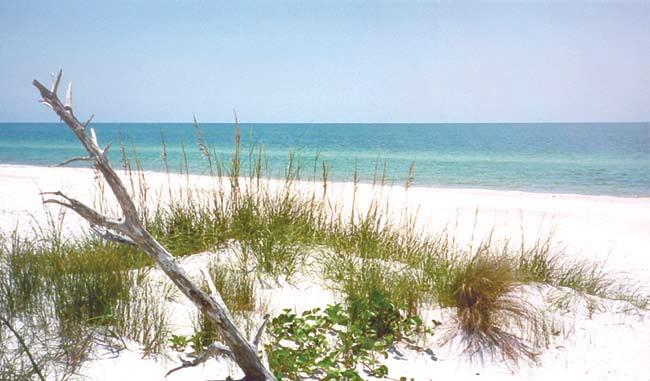

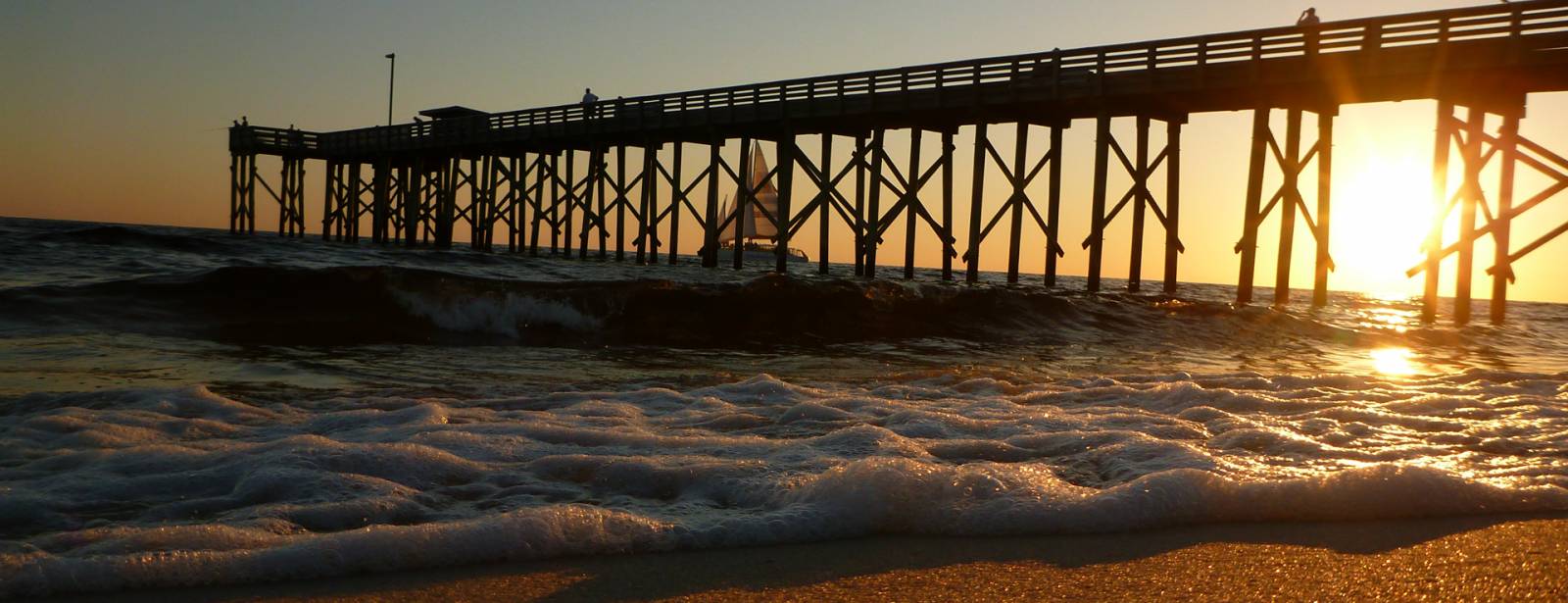
The Florida Coastal Management Program is based on a network of agencies implementing 24 statutes that protect and enhance the state's natural, cultural and economic coastal resources.
The program's goal is to coordinate local, state and federal agency activities using existing laws to ensure that Florida's coast is as valuable to future generations as it is today.
The Florida Coastal Management Program (FCMP) is excited to announce an upcoming series of information sessions for the Coastal Partnership Initiative (CPI) grant opportunity. These sessions aim to provide interested organizations and individuals with comprehensive details about the grant program, its objectives, eligibility criteria, and application process. Sessions will be held around the state in June and July, 2024. Staff also plan to host a booth in the exhibit hall at the Florida League of Cities conference in August to provide information on a variety of agency grant opportunities.
The CPI grants, offered by the FCMP utilizing federal Coastal Zone Management Act funding, are an opportunity for coastal communities, nonprofit organizations, and government agencies to secure funding for projects that promote the conservation, restoration, and sustainable management of Florida's invaluable coastal resources.
FCMP grant staff will also share information about other exciting opportunities, including details on federal funding exclusively for coastal management projects offered under the Bipartisan Infrastructure Law, and information on upcoming multi-year management strategies and projects supported by Coastal Zone Management Act funds.
You may request to join FCMP’s mailing list to be notified of session dates and registration information by emailing FCMPmail@FloridaDEP.gov.
Interested in subscribing to DEP newsletters or receiving DEP updates through email?
Sign UpThe Florida Department of Environmental Protection is the state’s lead agency for environmental management and stewardship – protecting our air, water and land. The vision of the Florida Department of Environmental Protection is to create strong community partnerships, safeguard Florida’s natural resources and enhance its ecosystems.
Learn More